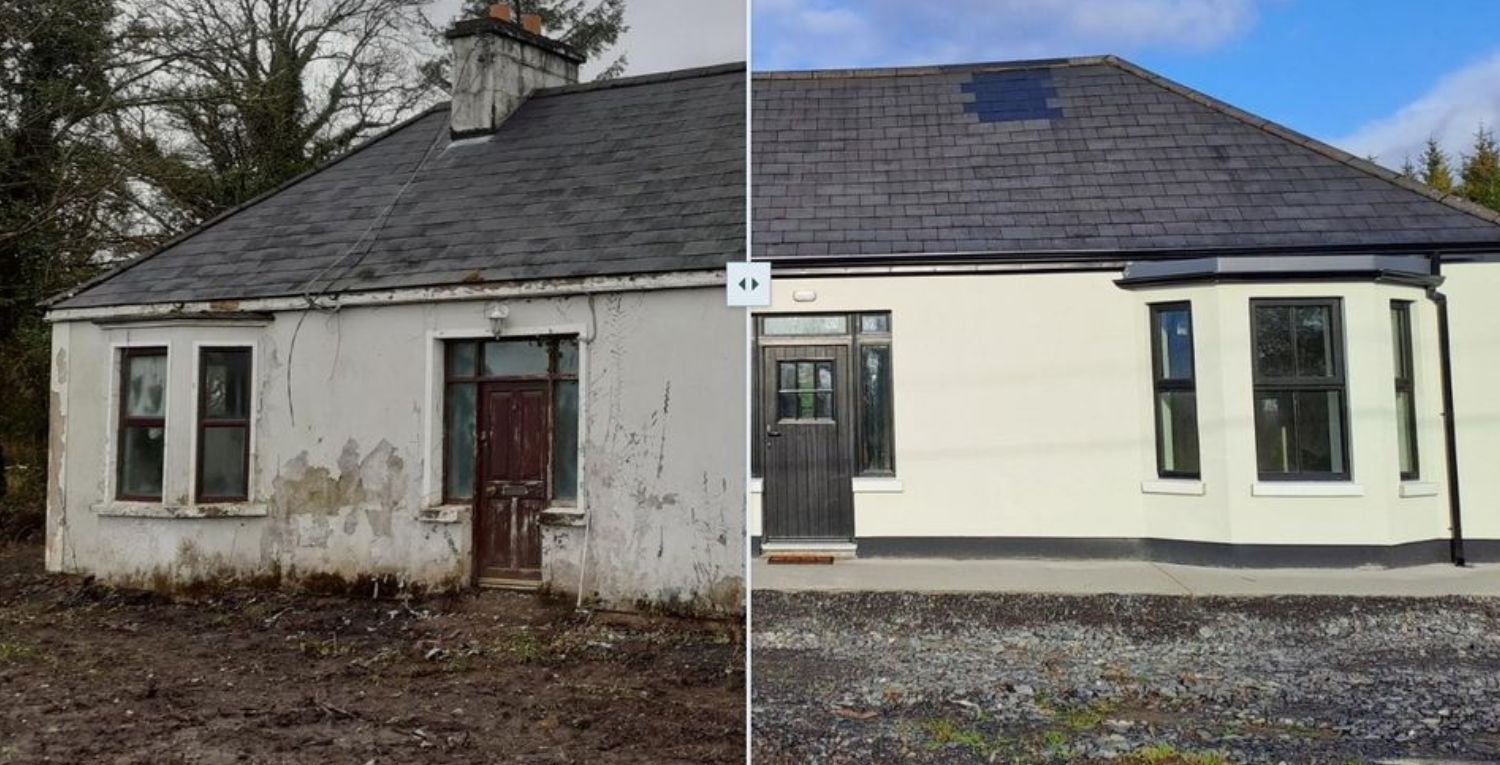
Property Refurbishment: Transforming Homes and Adding Value
Refurbishment is one of the most effective ways to enhance the look, comfort, and value of a property. Whether it’s a small update or a complete renovation, refurbishing a home can breathe new life into it while also improving its market appeal. For homeowners, landlords, and investors, refurbishment is more than just a fresh coat of paint—it’s a strategic decision that blends design, functionality, and long-term value.
What Is Property Refurbishment?
Property refurbishment involves upgrading or restoring parts of a home to make it more modern, functional, and appealing. This could mean renovating kitchens and bathrooms, replacing flooring, updating electrical or plumbing systems, or carrying out structural improvements. In some cases, it’s about restoring character to older homes, while in others, it’s about creating a contemporary, stylish space.
Why Refurbishment Matters
Refurbishment is not just about aesthetics. A well-planned renovation can:
-
Increase Property Value: Refurbished homes often sell faster and at higher prices.
-
Improve Energy Efficiency: Upgrading insulation, windows, and heating systems can lower bills.
-
Enhance Lifestyle: Modern layouts and finishes make homes more comfortable and enjoyable.
-
Attract Tenants: For landlords, refurbished properties are more appealing to prospective renters.
These benefits make refurbishment a worthwhile investment, whether for personal living or generating returns.
Key Areas of Refurbishment
-
Kitchens and Bathrooms
These are the most popular spaces to refurbish. Modern kitchens with smart storage and stylish finishes, along with updated bathrooms, add significant value to any property. -
Living Spaces
Open-plan layouts, fresh flooring, and better lighting create a welcoming atmosphere and suit modern lifestyles. -
Exterior and Outdoor Areas
First impressions matter. Refurbishing the exterior, landscaping gardens, or upgrading doors and windows can boost curb appeal instantly. -
Energy and Safety Upgrades
Installing energy-efficient appliances, improving insulation, and updating wiring or plumbing not only improve safety but also reduce long-term costs.
Planning a Successful Refurbishment
A successful refurbishment requires careful planning. Setting a clear budget, timeline, and vision is key. It’s also important to work with experienced professionals who can manage everything from design to completion. Quality workmanship ensures that the refurbishment not only looks good but also stands the test of time.
The Long-Term Benefits
Unlike quick cosmetic fixes, a proper refurbishment adds lasting value. It strengthens the property’s market position, reduces future maintenance costs, and creates a home that feels both modern and practical. For investors, it can mean higher rental yields and quicker sales. For families, it turns a house into a dream home.
Conclusion
Refurbishment is more than renovation—it’s an investment in lifestyle, comfort, and financial growth. Whether you’re preparing to sell, looking to let, or simply upgrading your living space, professional refurbishment ensures your property reaches its full potential. With the right approach, it’s possible to transform any home into a space that truly stands out.